



A type of green tea that is finely ground into powder - Matcha
This type of tea has found application in the Japanese tea ceremony and is in great demand in the Land of the Rising Sun. Matcha is not only a healthy drink, but also a natural food supplement. This type of tea can be found everywhere: both in a coffee shop, as it is part of a latte, and in a specialized tea shop, where you can buy a high-quality powdered drink.

History of Tea
Today, matcha tea is considered a traditional Japanese drink. However, in fact, its historical homeland is the Celestial Empire. During the reign of the Tang Dynasty (7th – 10th centuries AD), tea leaves were processed with steam and pressed into briquettes. Before brewing, the leaves were ground into powder and mint was added to it. Over the years, the preparation process acquired ritual significance. In 1191, this wonderful drink was brought to Japan by monks and became extremely popular.
Tea growing areas
The main tea growing areas are Uji, Koshu, Kagoshima, Kinrin, Aorashi and Shizuoka. The hilly terrain and morning fog provide the optimal climate for growing this type of tea. It was in these areas that matcha was first prepared and the technology for its cultivation and subsequent multi-stage processing was perfected.

Production technology
The production of matcha differs significantly from the preparation of other types of tea. Not every leaf is suitable for the production of this drink. The most useful tea is that made from young buds collected from the bush in the spring. 2-3 weeks before collecting the leaves, the tea bushes are covered with canvases from direct sunlight. Thanks to this solution, a large dose of valuable amino acids accumulates in the leaves, giving the drink a special softness and a slightly sweet taste.
The harvest is collected in the early morning hours, picking only the youngest leaves. They are carefully sorted from twigs, veins and other debris, and then dried in ventilated rooms. Then the dried leaves are ground into a green fraction in special hand mills.
There is a longer and more complex process for producing matcha. Immediately after harvesting, young leaves are treated with steam, which softens their structure and enhances the aroma. Then, using presses, the leaves are given a smooth shape and laid out to dry. Due to this production technology, the leaf is not fermented, preserving all its valuable components. It is the process of proper drying that gives the raw material a beautiful green color. Then, from the dried leaves, green powder is obtained using special equipment and stored in a dark room, strictly observing a special temperature regime - from 0 to +5 ° C.
What sheet is it made from?
As mentioned earlier, the youngest leaves are collected for raw materials. As a rule, these are buds with 1-2 young leaves. More mature leaves are not suitable for tea production, since after grinding the powder becomes sandy. In addition, it is the young leaves that contain a large number of useful components.
The culture of drinking tea
Japanese matcha is the basic type of tea used in the ritual of the tea ceremony. At first, the drink is served in a concentrated form - "koicha", which allows you to better understand its taste and aroma. Then the concentration of green tea is made weaker - "yuzucha". This drink promotes rest and relaxation for all participants in the tea ceremony.
Traditional brewing of matcha is observed in many Japanese families. Special connoisseurs of the art of tea advise buying only high-quality matcha and not interrupting the wonderful taste of the tea drink with any additives. Only after forming your own opinion about tea, you can experiment with adding honey, lemon, etc.

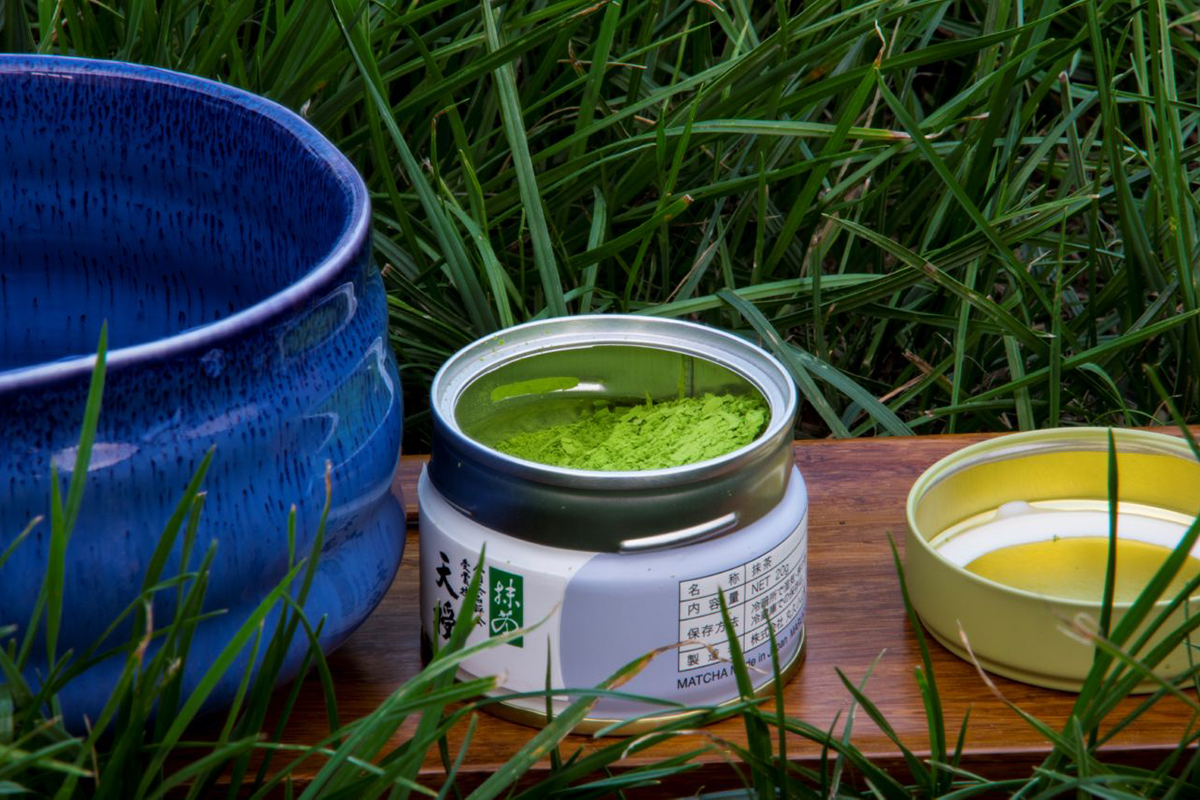
Brewing and preparation rules
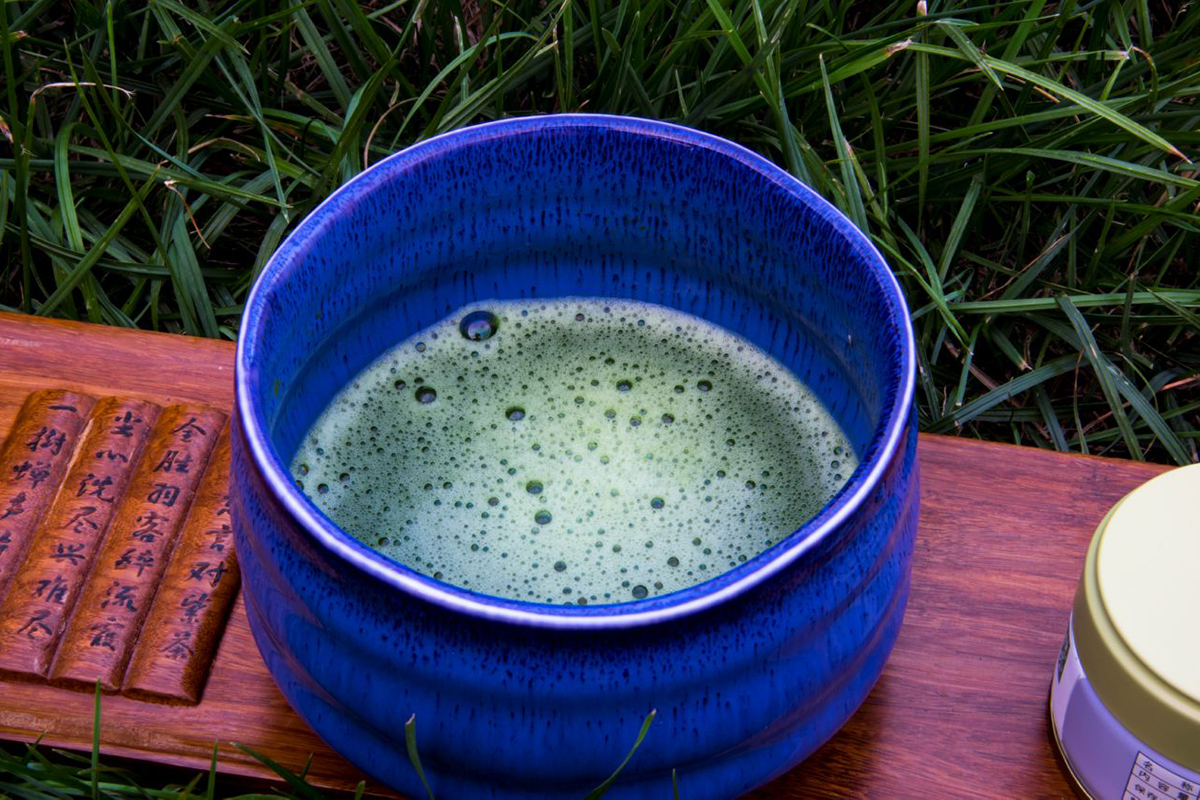
Powdered tea is brewed in a vessel called matcha-jawan, which is a wide porcelain or clay bowl. To prepare one portion of this healing drink, you will need one incomplete teaspoon of powder (per 70 ml of water). It is poured with water, the temperature of which is no more than 80 ° C, and whipped with a whisk to prevent the formation of lumps. The drink turns out with a characteristic foam. Tea is usually served with wagashi and other Japanese sweets.
IMPORTANT! The main rule for brewing matcha is to maintain the water temperature. Never pour boiling water over the tea, as this will reduce the healing properties and spoil the taste of the drink.
Description of taste and aroma
The taste of matcha depends on the literacy of the preparatory procedures before harvesting. High-quality varieties of green tea are distinguished by an exquisite aroma, sweetish taste and a special aftertaste. If the purchased matcha has a bitter taste, it means that the production technology was not followed or water over 80°C was used when brewing the drink.
Consumption effect
According to studies, matcha contains 135 times more healing components than regular green tea. That is, the Japanese drink is a storehouse of microelements, antioxidants and vitamins that have the following effect on the human body:
- slows down the aging process;
- normalizes heart function;
- has an antiseptic effect;
- helps overcome depression;
- promotes weight loss;
- improves mood;
- reduces cholesterol levels;
- increases concentration;
- normalizes blood pressure;
- has an invigorating effect;
- removes waste and toxins from the body;
- balances the emotional background;
- increases the body's endurance;
- reduces the growth of cancer cells;
- strengthens the immune system;
- makes the skin smooth;
- improves brain function.

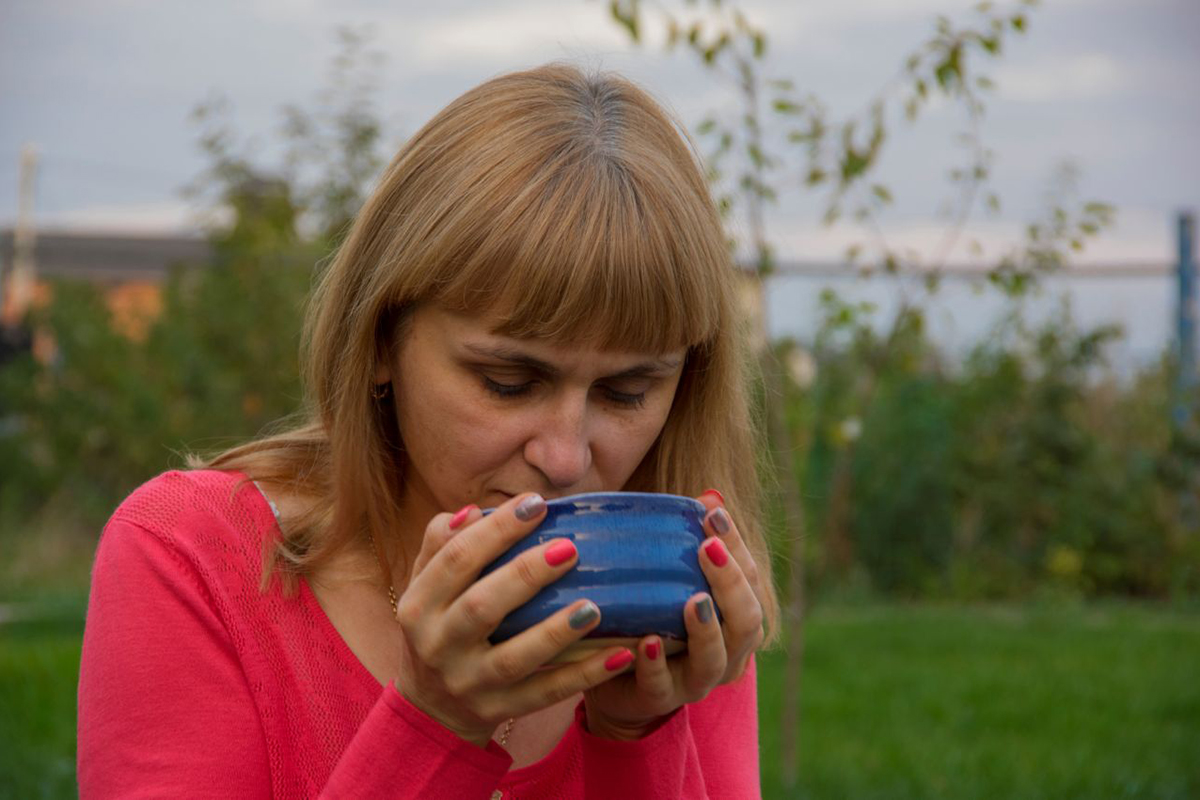
The beneficial properties of the Japanese drink are due to the optimal combination of its healing components. Therefore, everyone who cares about their own health and is a supporter of healthy eating should buy matcha tea. This drink increases immunity, has a tonic effect and at the same time relieves nervous tension. Actually, this explains why matcha was a favorite drink of Buddhist monks before meditation rituals. It helps to calm down and collect your thoughts.
According to scientific research, this tea variety contains 60 times more antioxidants than spinach and 7 times more than dark chocolate. It is consumed completely, giving away all its valuable qualities without a trace.
Matcha tea strengthens gums and fights caries, so it is included in toothpastes. The drink also helps alkalize the body, since it is an alkaline product. The powder is added to cosmetics, such as face wash gels and masks to eliminate acne on the face.
Interesting facts about tea and recommendations from experts
Matcha powder can not only be drunk, but also added to various dishes. For example, in ice cream, latte coffee, cakes, chocolate, sauces for meat dishes, etc. There are many dietary supplements that include matcha. The supplements are positioned as general tonics, preventive means for strengthening the immune system, normalizing heart function, etc. Thus, this type of tea is used in many culinary masterpieces. Some of them are included in the "healthy nutrition" category of products, as they have a beneficial effect on human health.
Remember that the color of the product should be bright green. Never buy cheap tea, as it may be a fake. A quality product is made only from young leaves grown on Japanese plantations, where optimal climatic conditions are created.