


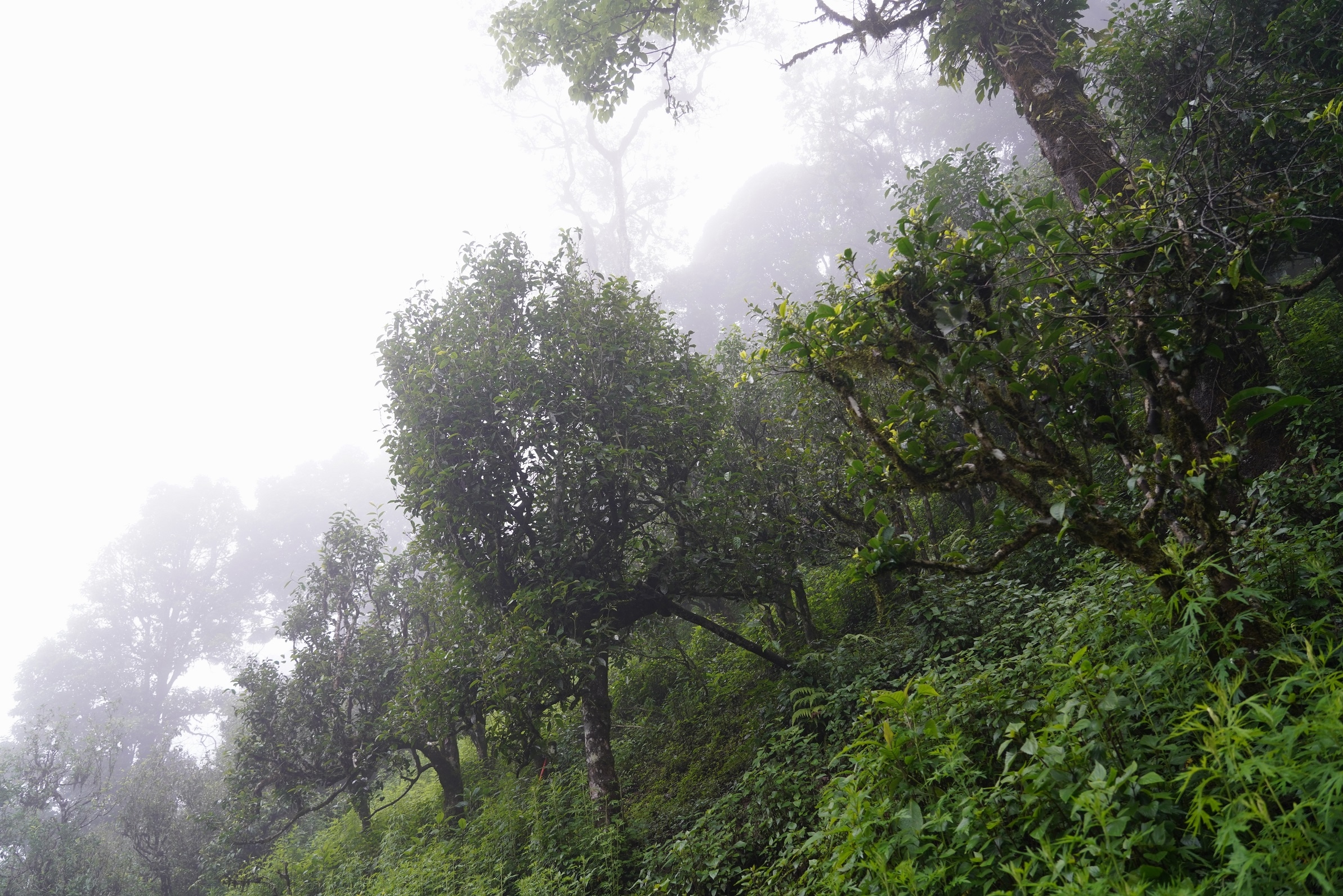
In mountainous conditions, tea leaves develop differently, often resulting in a more complex flavor. With significant temperature fluctuations between day and night, tea bushes adapt to stress, which affects the leaf structure and the range of aromatic compounds. The tea subsequently becomes denser and richer, acquiring a variety of flavor nuances.
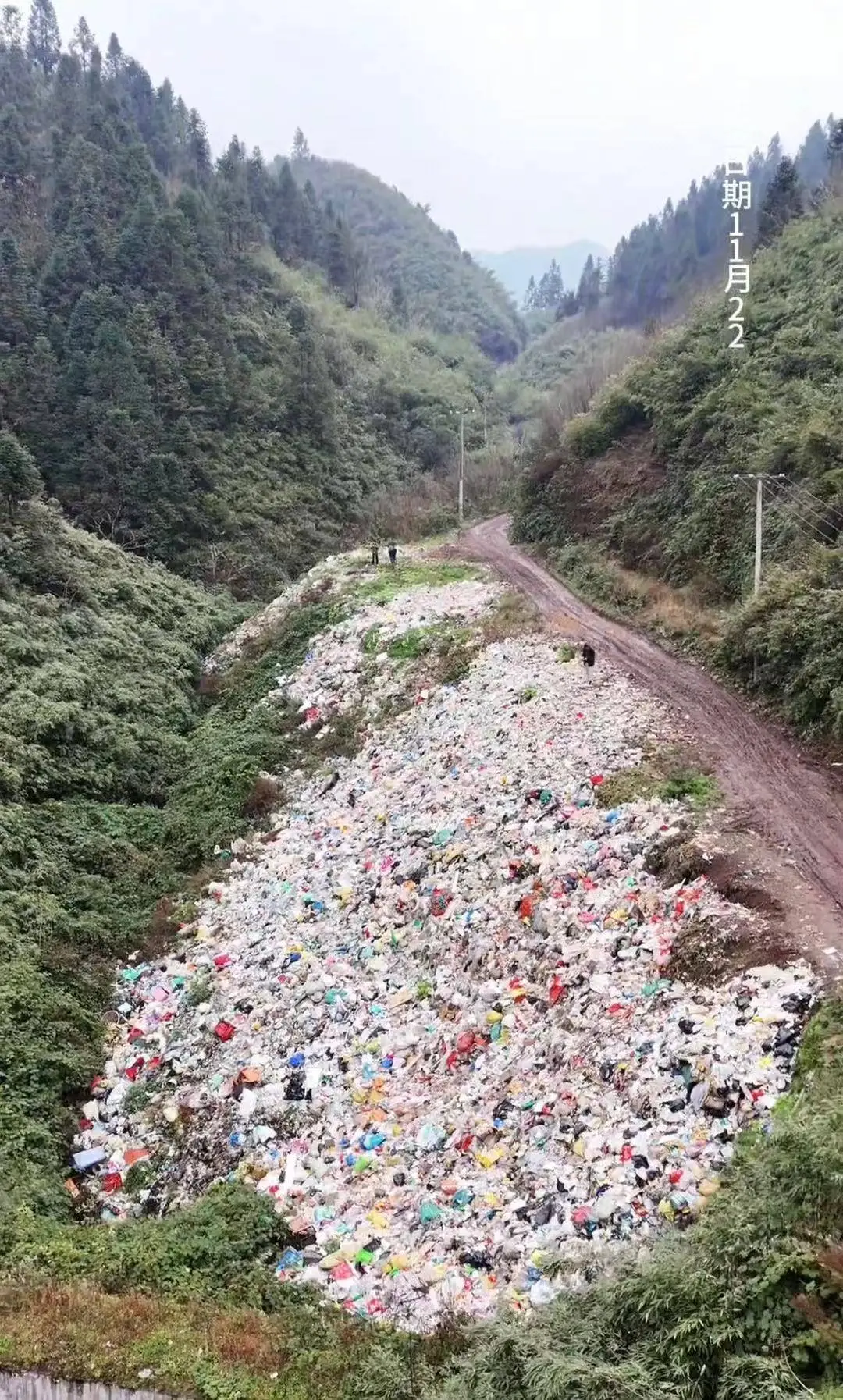
But it's worth emphasizing: altitude alone does not guarantee safety. If there is active human activity above the tea plantations—roads, farms, or garbage dumps—then dangers to the ecology and quality of the tea arise regardless of altitude.
When the environment is more important than altitude
The safety of tea is primarily affected by nearby sources of pollution: wastewater and household waste. In Yunnan, for example, there are tea mountains where garbage dumps are located above the tea plantations. During rainfall, water carries substances from the waste into the soil, which then, along with groundwater, reaches the roots of the tea bushes.
A similar situation occurs near villages. Household waste often ends up in small streams, then in the soil and water that feeds the tea. Examples like these clearly demonstrate how the conditions around the plantation directly impact the purity of the raw materials. Safe tea grows above the level of human activity.
Examples of "safe" and "not infinitely safe" teas
Interestingly, some famous teas, which are not grown in high mountains, nevertheless demonstrate high taste and sanitary qualities.
• West Lake Longjing tea grows only in the hills surrounding West Lake, but is considered one of the purest and most delicious green teas in China. This reputation is due not only to its historical status, but also to the local geography, climate, and strict controls on the product's origin. 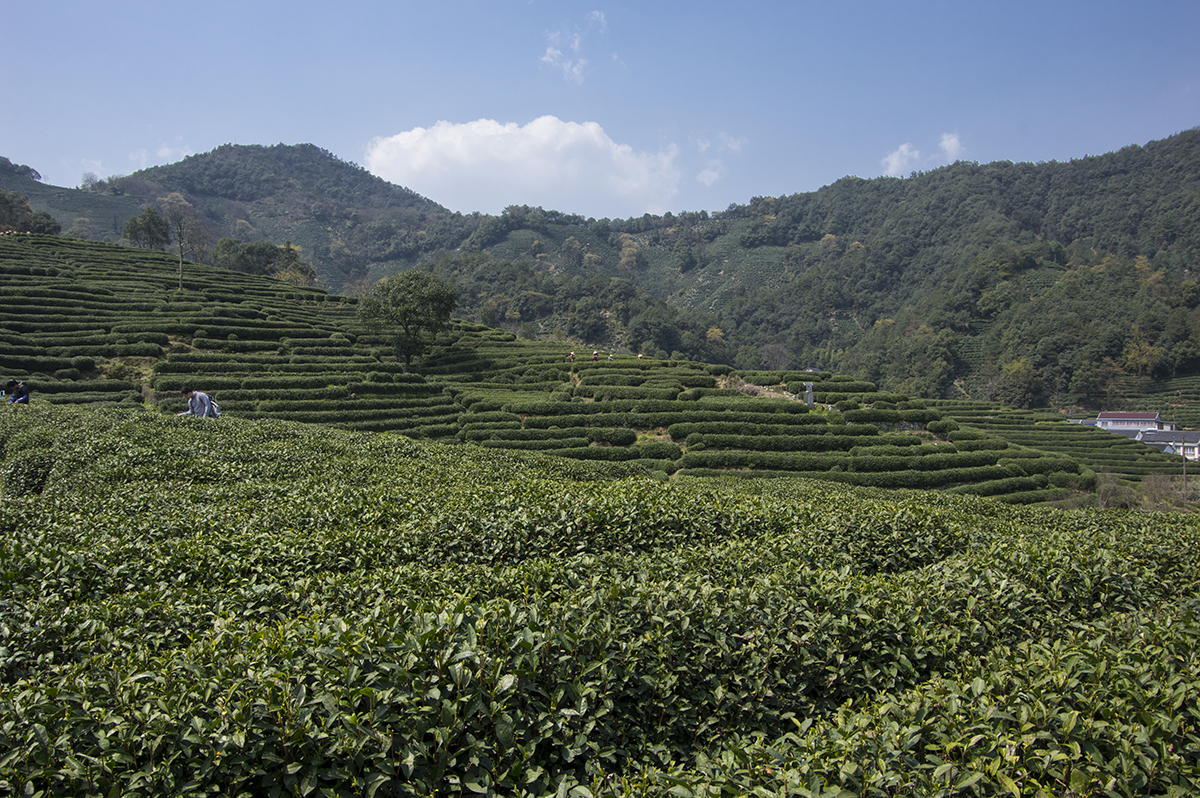
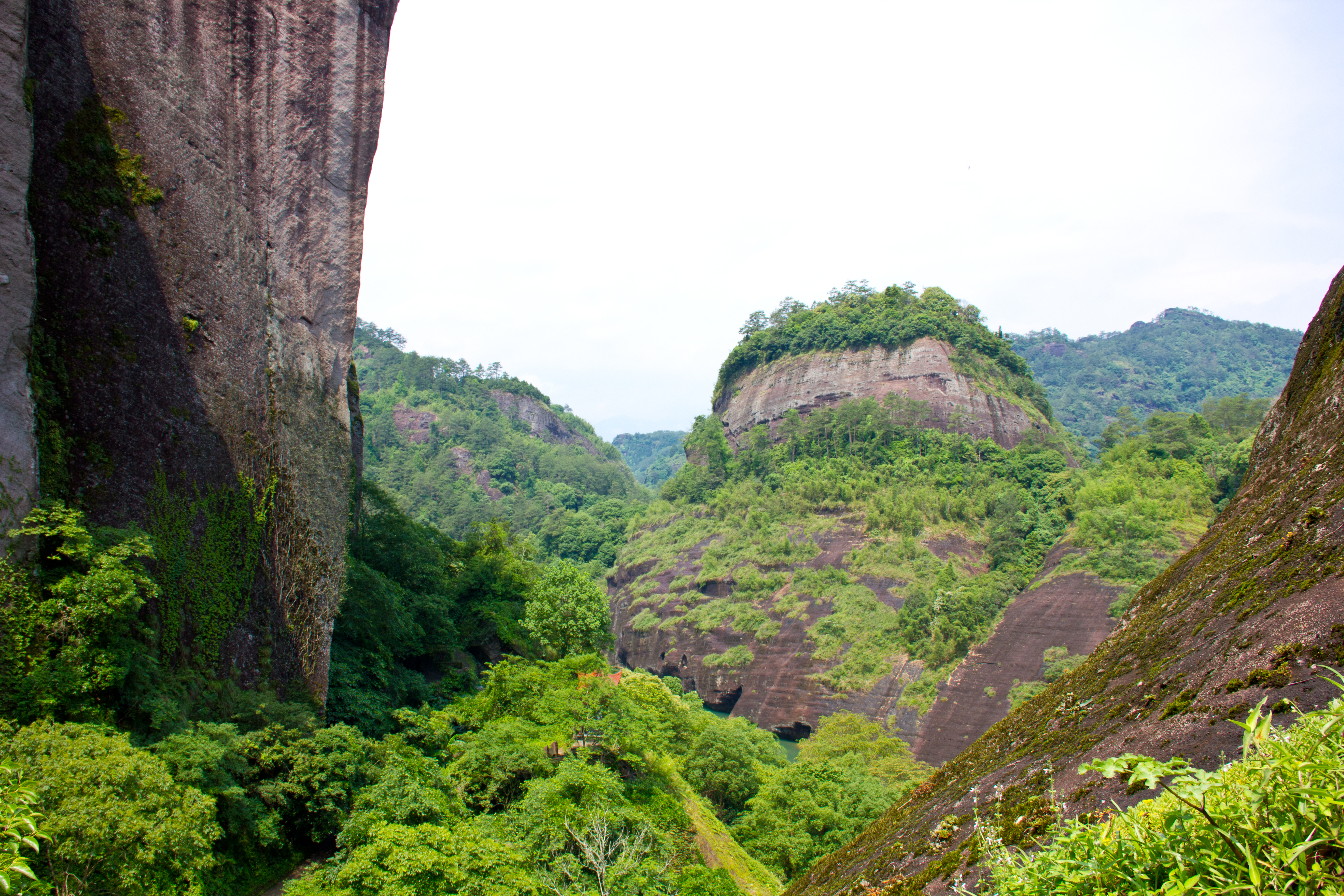
• Wuyi oolongs from the reserve are prized due to the conditions in which they grow: an area free from human activity and with minimal risk of pollution. The only thing higher than the tea are the rocks, from which rainwater carries minerals and nutrients to the roots of the tea bushes, making the tea from this area unique.
Laboratory tests and their results
When it comes to tea safety, speculation is no longer enough; concrete data is essential. That's why we submitted our teas for laboratory testing. The results showed that harmful substances were either not detected at all or were below the thresholds that the laboratory is capable of detecting. In practice, this means that the samples were free of impurities that could affect product safety.
This issue has become particularly pressing in light of news reports of mass-market tea batches where tests revealed hazardous substances. Such cases clearly demonstrate that tea safety is not a default characteristic or a pretty phrase on the packaging. It originates in the very place where the tea grows and continues to evolve as it is processed.
Price as a marker of purity
It's common to hear that "expensive tea is just a matter of price." When it comes to quality and safety, this approach accurately reflects the reality. Limited production volumes directly impact the cost of tea: it grows in remote or protected areas, and harvesting and monitoring the conditions require more resources.
Let's draw conclusions
When discussing tea, it's easy to latch onto altitude—it sounds good and looks good in descriptions. However, altitude alone doesn't automatically make tea safe. It affects the flavor, leaf density, and aroma, while the purity of the tea depends on the surrounding conditions.
Much more important is what happens around the plantation: are there villages, roads, or landfills above it? Where does rainwater go? What goes into the soil with it? This determines what the tea bush "feeds" on year after year.
Therefore, laboratory analysis remains the most reliable way to understand what you're really dealing with. In such cases, the price is often related to the limited availability of raw materials and the conditions under which they can be grown.
Ultimately, choosing tea comes down to simpler factors: the place, the people, and how the raw materials were handled at each stage. Flavor emerges when these conditions are met.