



Why Tea Bags Are Bad For Your Health
Tea bags have long been a symbol of convenience and speed in the modern world. However, behind this simplicity and convenience are potential health risks that many do not even think about.
According to a study conducted by scientists led by G. Banaei et al., tea bags made of materials such as nylon-6 (NY6) , polypropylene (PP) and cellulose (CL) release a huge amount of microplastics and nanoplastics when brewed. For example, during the experiment, it was found that the concentration of nanoplastics in aqueous extracts reaches 1.20 × 10⁸ particles/mL for polypropylene (size 136.7 nm), 1.35 × 10⁸ particles/mL for cellulose (244 nm) and 8.18 × 10⁶ particles/mL for nylon (138.4 nm).
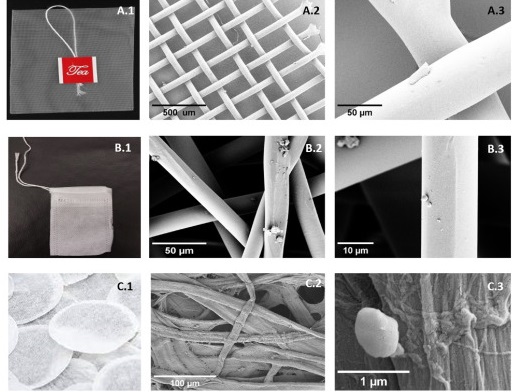
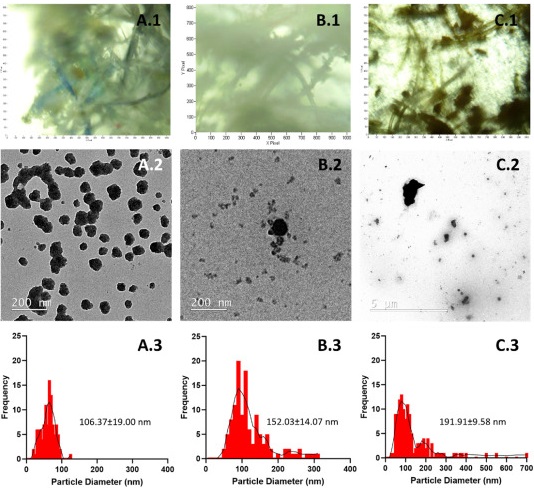
These particles are so small that they easily penetrate into human cells. The researchers tested their effects on intestinal cells (Caco-2, HT29 and HT29-MTX) and found that the nanoplastics actively accumulated in HT29-MTX cells, which simulate the intestinal mucosa.
Why is this dangerous?
Micro- and nanoplastics can cause inflammation in cells, disrupt cell function, and even accumulate in organs such as the liver, kidneys, and brain. Although the long-term effects on humans are not yet well understood, scientists are already raising concerns about their potential toxicity. In addition, tea bags can retain other harmful compounds, such as plasticizers and additives, which also end up in hot water and added to the drink. Particularly worrying is that tea is often brewed at around 95°C, as in the experiment that extracted these substances. Therefore, avoiding tea bags and using loose tea brewed in a metal or ceramic teapot may be the first step toward reducing the risk.The Harm of Microplastics: An Invisible Threat to Human Health
Recent studies, such as the work of Huang and colleagues published in the journal Science Advances in January 2025, confirm that microplastics can cause serious harm to the human body, including cerebral vascular thrombosis and neurological disorders.(Link to the study: https://www.science.org/doi/10.1126/sciadv.adr8243 )
In experiments on mice, the scientists used miniature two-photon microscopy to observe how microplastics become lodged in the capillaries of the mice’s cerebral cortex. These blockages lead to a reduction in current flow, which in turn causes neurological damage. For example, mice exposed to microplastics showed decreased motor activity, impaired memory, and symptoms of depression.

Although Huang’s study focused on the brain, his findings have implications for the entire body. Microplastics in the bloodstream may threaten not only neurological health, but also the cardiovascular system. Scientists speculate that they may be a predisposing factor for heart attacks and strokes, especially in people with existing vascular disease. The article cites a 2024 study by Marfella that found that patients with microplastics in their carotid artery plaques had a higher risk of cardiovascular disease. Microplastics have also been shown to exacerbate chronic diseases and lead to serious conditions.
In addition, microplastics cause hormonal disruptions and metabolic disorders. The accumulation of these particles in tissues disrupts the normal functioning of organs, which over time can lead to the development of diseases such as diabetes or cancer. Pregnant women are especially vulnerable to microplastics, since the penetration of microplastics through the placenta affects the development of the fetus.
Conclusion
Microplastics are a hidden threat whose scale we are only just beginning to understand. Research by Huang and colleagues has shown that these particles, when they enter the human body, can lead to thrombosis and neurological disorders that disrupt the blood supply to the brain.Thus, despite their popularity, tea bags can cause significant harm to health. Studies like the ChemSphere article highlight the need for further study of these issues and increased public awareness.
Convenience should not outweigh the potential health risks of tea bags, and each of us can make an informed choice in favor of safer alternatives such as using natural loose leaf tea in eco-friendly containers.