



Tea: A Natural Cure for Depression
Tea is not just a drink that warms us up on cold evenings or invigorates us in the morning. It is a real elixir of health that can not only quench thirst, but also help cope with one of the most common ailments of our time - depression.
In recent years, scientists have increasingly paid attention to the antidepressant properties of tea, and studies confirm that regular consumption of this drink can significantly reduce the risk of developing depression.
Depression is a complex mental disorder that affects emotional state, motivation and quality of life. Modern treatments, such as antidepressants, are not always effective, and their side effects can worsen the patient's condition. In such cases, natural remedies come to the rescue, and tea occupies a special place among them.
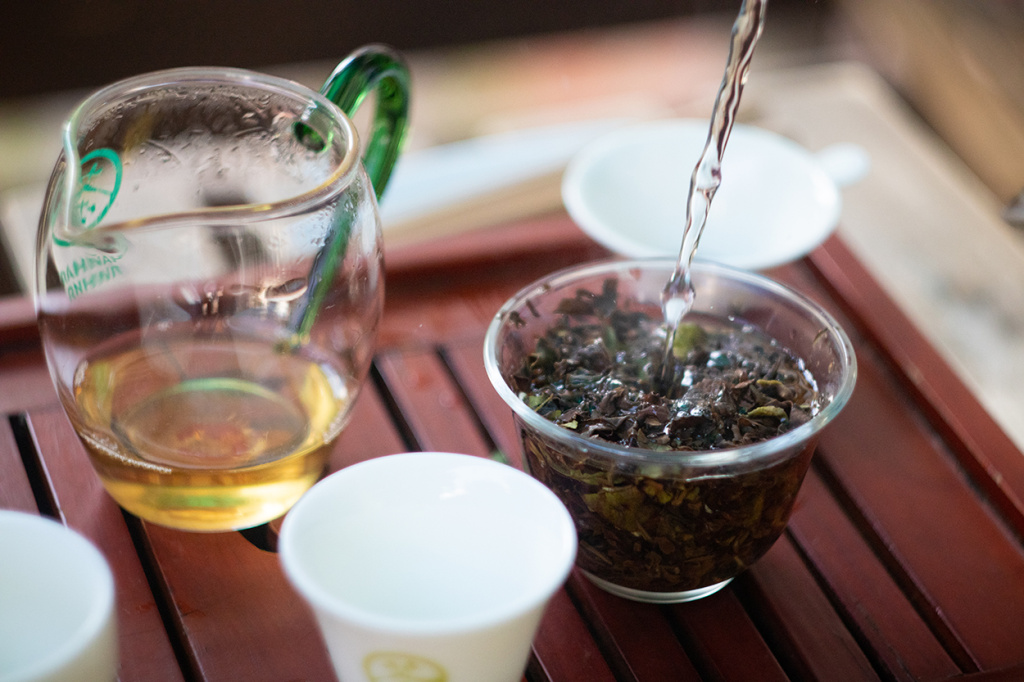
First of all, it is worth noting that the link between tea and a reduced risk of depression has been established by medical research. According to the article “Mechanisms underlying the antidepressant effect of regular tea consumption” (Rothenberg & Zhang, 2019), regular tea consumption per day (up to three cups) reduces the risk of depression by 37%. These data imply that even moderate tea consumption can have a significant positive effect on mental health.
Link to the study: https://pmc.ncbi.nlm.nih.gov/articles/PMC6627400/
According to research, tea contains many biologically active compounds that can influence various mechanisms associated with depression. One of the key components of tea is L-theanine, an amino acid that helps reduce stress and improve mood. L-theanine stimulates the production of gamma-aminobutyric acid (GABA), which has a calming effect on the nervous system. In addition, L-theanine helps reduce the level of cortisol, a stress hormone, which helps normalize the hypothalamic-pituitary-adrenal axis (HPA axis), which is often disrupted in people with depression.
Another important component of tea are polyphenols, such as epigallocatechin gallate (EGCG), which have powerful antioxidant and anti-inflammatory properties. Inflammation plays a key role in the development of depression, as chronic inflammation can disrupt the functioning of neurotransmitters such as serotonin and dopamine, which are responsible for mood and motivation. Tea polyphenols can reduce levels of inflammatory cytokines such as interleukin-6 (IL-6) and tumor necrosis factor alpha (TNF-α), which helps restore balance in the body.
Tea also has a positive effect on the gut microbiota, which is also linked to mental health. The gut and brain are closely linked through the so-called gut-brain axis, and disturbances in the microbiota can lead to the development of depression. Tea polyphenols promote the growth of beneficial bacteria such as Lactobacillus and Bifidobacterium, which produce short-chain fatty acids (SCFAs). These acids, in turn, have an antidepressant effect, improving brain function and reducing stress levels.
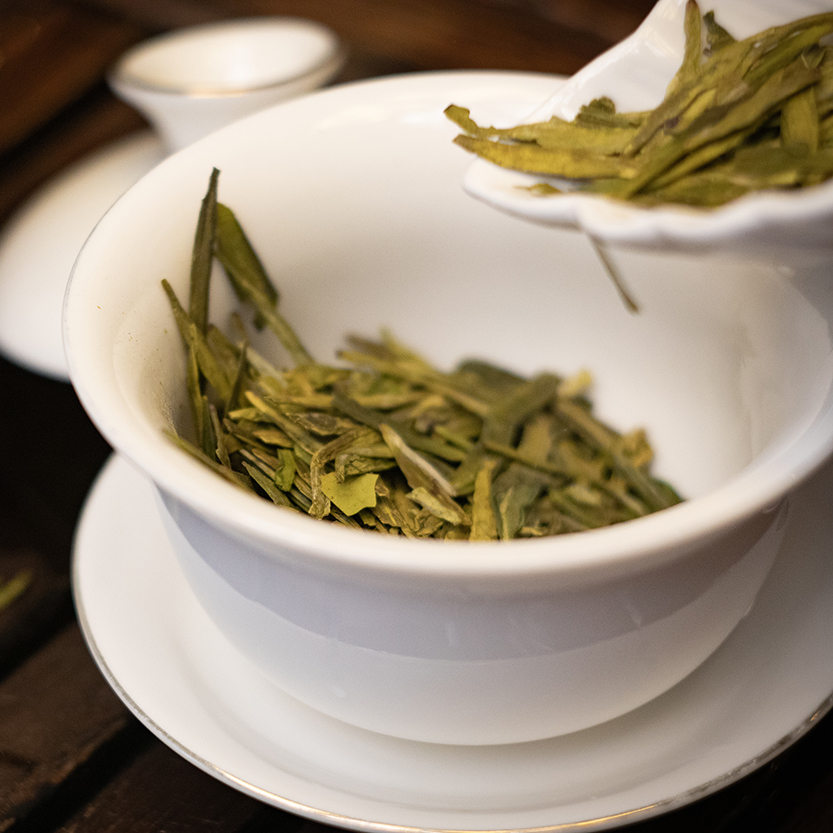
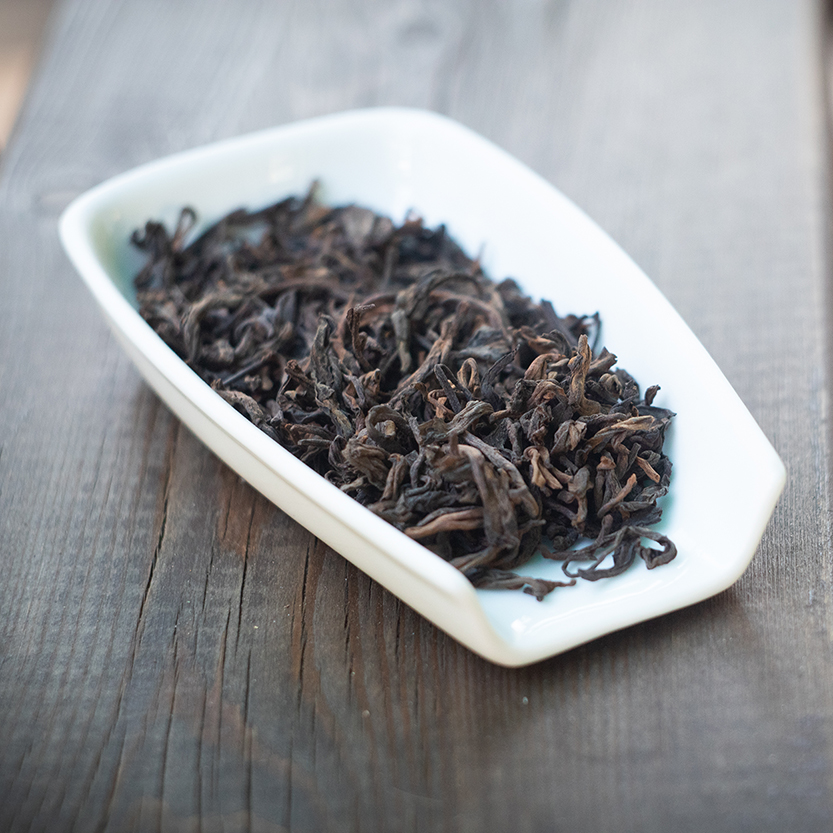
Interestingly, different types of tea — green, black, oolong — can have different effects on the body. For example, green tea is rich in catechins, which have strong antioxidant properties, and black tea contains theaflavins, which are also effective in fighting inflammation. Therefore, a variety of tea choices can enhance its antidepressant effect.
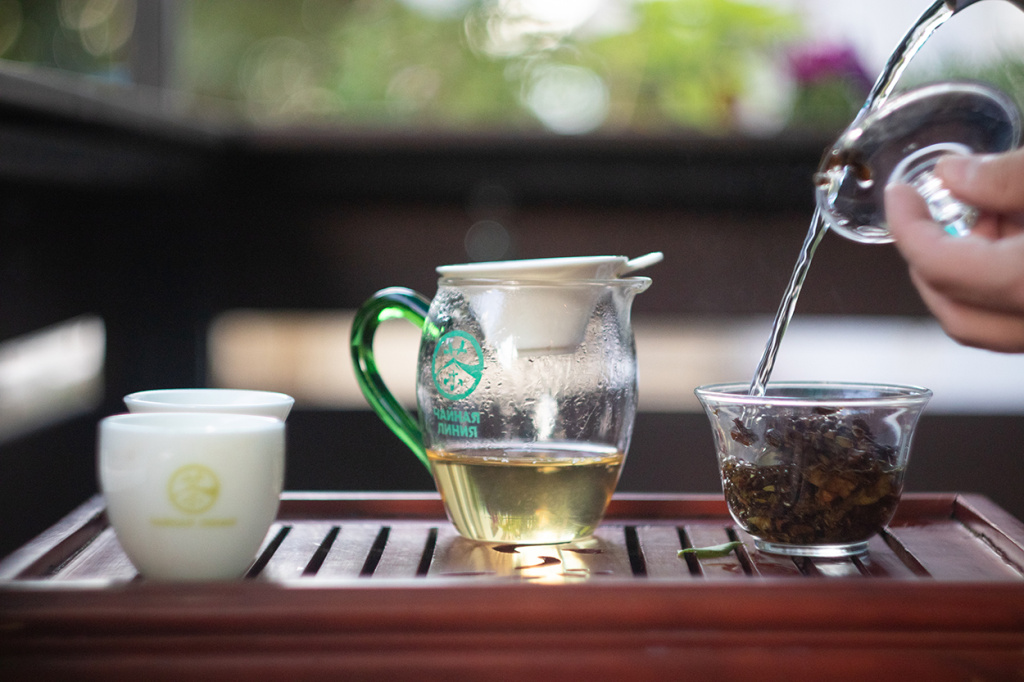
But tea is more than just chemical compounds. The act of drinking tea can be therapeutic. The act of brewing tea, its aroma, its taste, and even the warmth of the cup in your hands create a sense of comfort and calm. It’s a kind of ritual that helps you escape from everyday worries and focus on the moment. Research shows that simple actions like making and drinking tea can improve your mood and reduce stress.
In conclusion, tea is not just a drink, but a real natural antidepressant. Its unique properties, confirmed by scientific research, make it an important element in the fight against depression. Regular tea consumption, especially in combination with other healthy habits, such as physical activity and proper nutrition, can become a powerful tool for maintaining mental health.
Of course, tea is not a panacea and does not replace professional help in severe cases of depression. However, its availability, naturalness and complex effect on the body make it one of the best and most accessible antidepressants. Whether it is green tea with a small amount of L-theanine or black tea with powerful theaflavins, this drink offers us more than just thirst quenching - it gives us joy of life and psychological support. So if you are feeling tired or depressed, it may be worth brewing a cup of tea and enjoying its healing properties. So why not brew a cup of tea right now and take the first step towards inner peace?