



Immortals over a cup of tea: Legends of Fa Yao, Dan Qiuzi and Huang Shanjun
In Chinese culture, tea has long been associated not only with a pleasant pastime, but also with deeper concepts – health, spirituality and even immortality. This connection is not accidental, because tea, according to the Taoists, has unique properties that make it the elixir of life.
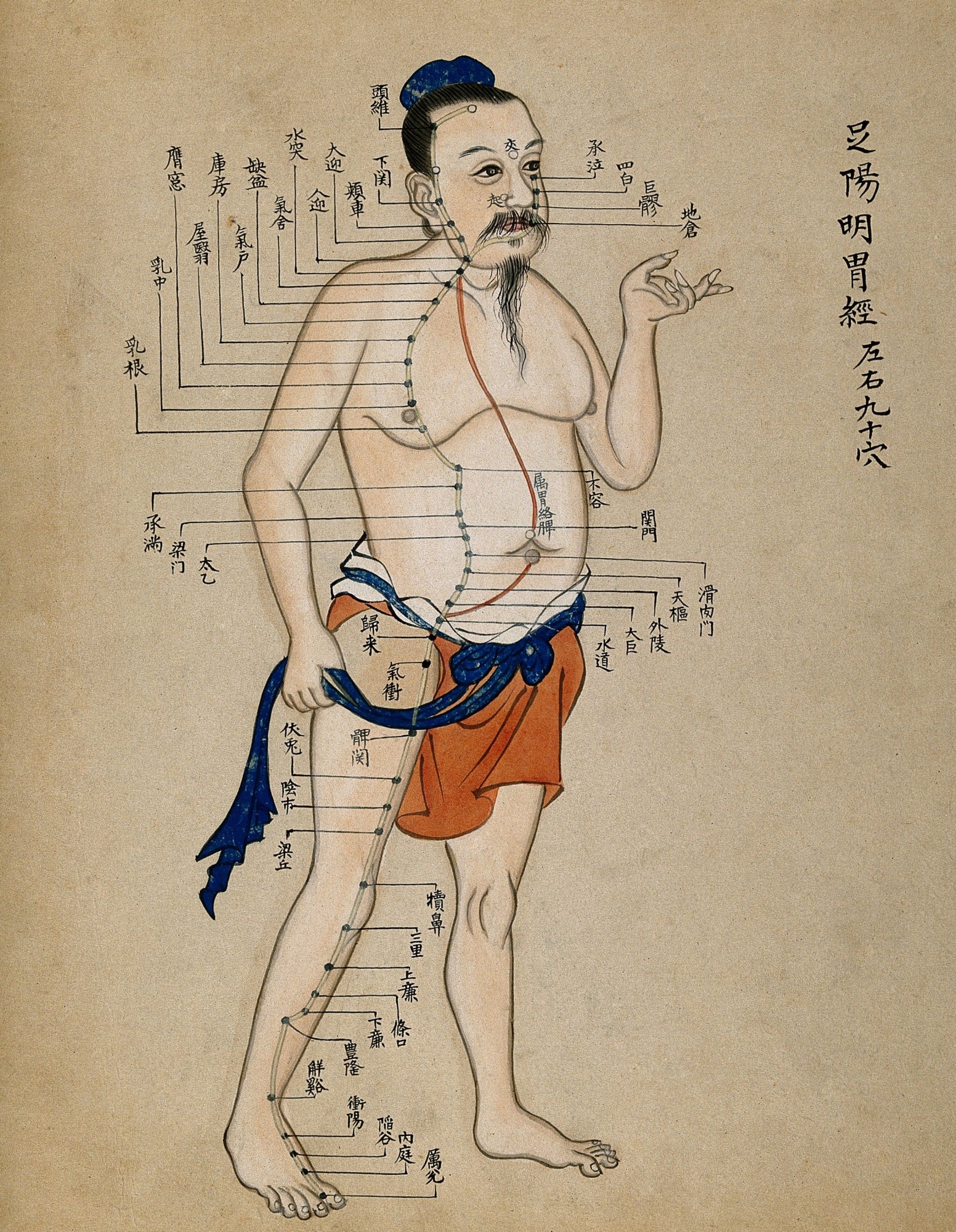
According to Taoist theory, a person's life force, Qi (Chinese: 氣, pinyin: qì), flows through his or her blood vessels. Clogged channels lead to illness and aging. Tea, thanks to its cleansing properties, is able to dissolve these "blockages" and thus maintain health and prolong life.
One of the most striking examples of this belief is the story of the monk Fa Yao, who lived during the Southern Dynasty (420 to 589 AD). According to legend, he lived to be 99 years old, and his longevity was directly linked to his love of tea.
In those days, when people's lives were full of hardships and dangers, and medicine had not reached its modern level, a person who lived to such an age was automatically included in the ranks of immortals.
Besides Fa Yao, the chronicles tell of two other "immortal tea drinkers" - Dan Qiuzi and Huang Shanjun. According to legend, these sages reached the highest point of perfection in spiritual practices and gained immortality thanks to their devotion to tea.
They became symbols of the special connection that existed between man and tea in traditional Chinese culture. Tea did not simply quench thirst, it was a guide to longevity, spirituality and harmony with the surrounding world. Legends about immortal tea drinkers are not just a beautiful fiction, but a reflection of the Chinese deep understanding of human nature and its desire for perfection.
Tea plays a special role in Taoist and Buddhist practices. Unlike many other drinks, it does not intoxicate or excite, but, on the contrary, promotes relaxation, concentration and meditation. This makes it an ideal companion for those who seek spiritual enlightenment.
The tea ceremony, an integral part of Taoist and Buddhist culture, is not just an act of drinking tea, but a real ritual filled with deep meaning. Each stage of the ceremony – from brewing tea to drinking it – symbolizes a certain stage of the spiritual path.
Thus, tea in Eastern philosophy appears not just as a drink, but as a guide to longevity, spiritual purification and enlightenment. The connection of tea with immortality is not just a beautiful legend, but a reflection of a person’s deep understanding of his place in the world and the desire for harmony with himself and the surrounding Universe.
Let's sum it up.
The ancient Chinese idea of tea as a drink that grants immortality is not without meaning. In today's world, where stress, haste and unhealthy lifestyles reign, tea can become a real source of health and inspiration.
These legends serve as a reminder that tea is not just a drink, but part of China’s rich history and culture. It contains the wisdom of centuries, and its taste can not only quench thirst, but also open the door to spiritual enlightenment and longevity.
- Comments
- Vkontakte