


Bano Tea Region
Bano Village (Chinese: 坝糯, pinyin: bànuò) is located 30 km from Mengku Town. Bano Tea District has the status of national importance, and high-quality raw materials are grown here.
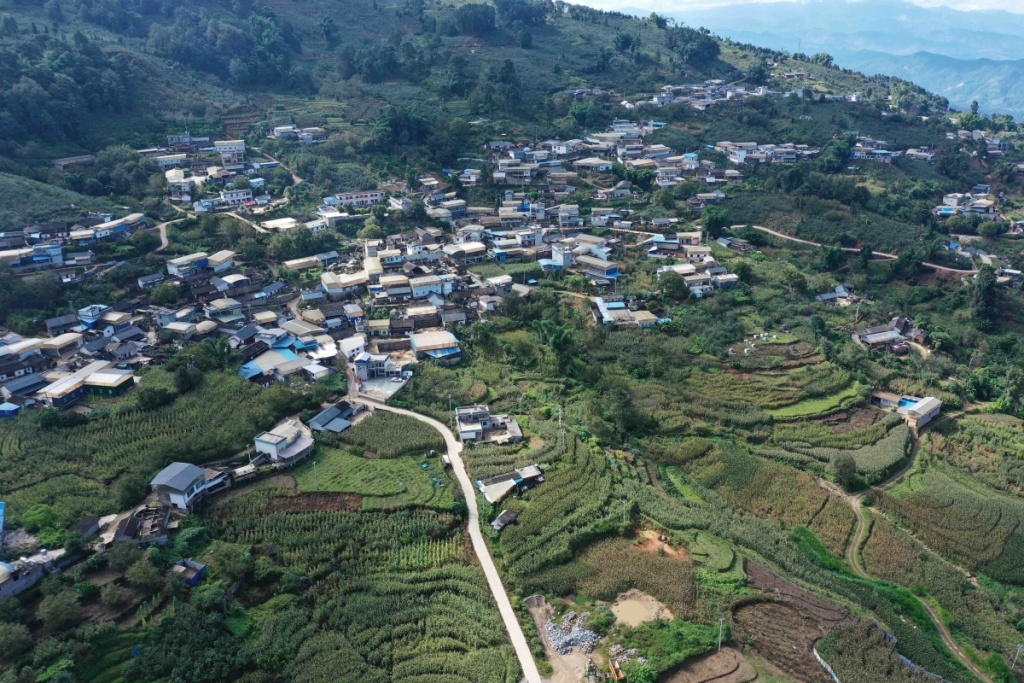
The territory of Mengku is divided into the eastern and western slopes, each with its own characteristics. Bano is the largest village on the eastern slope, with more than 300 households. The population is 85% Han, the rest are Lahu. Bano is located at the highest point of the eastern slope, overlooking the western slope. Despite the altitude, the terrain is quite flat. The way of life of the local residents is an example of the peaceful and friendly existence of two peoples who work together and help each other.
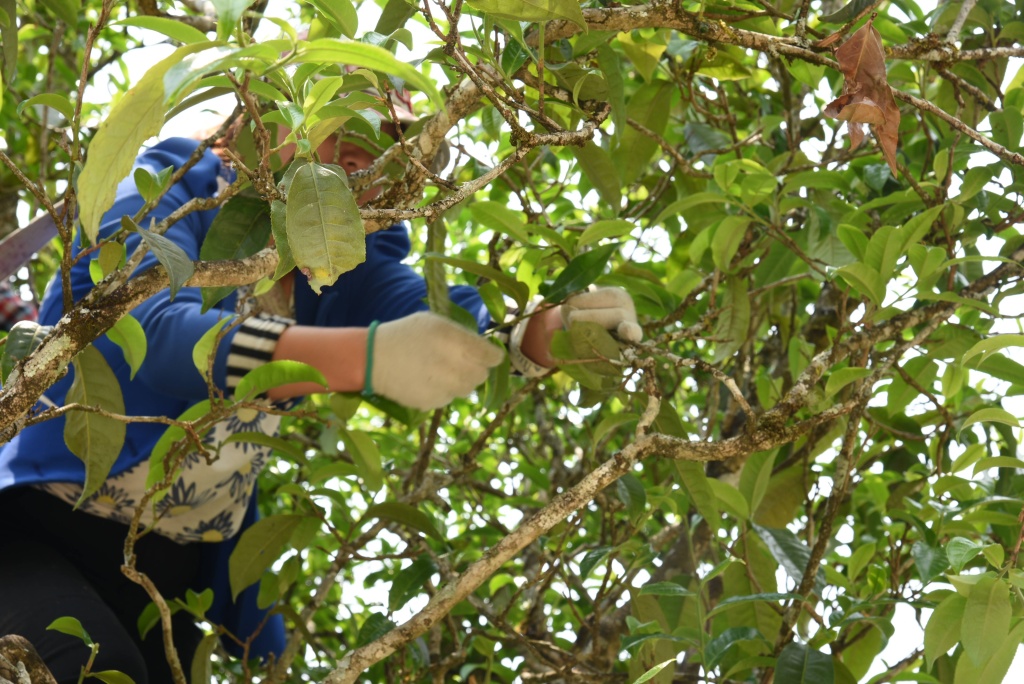
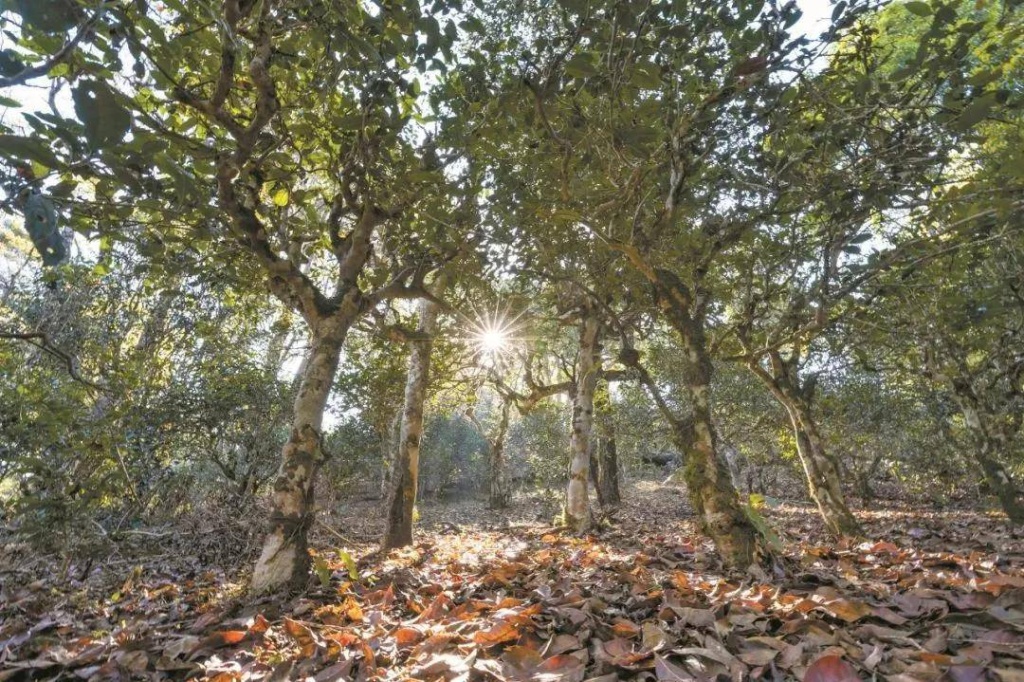
In Shuangjiang and Lincang counties, the village of Bano is famous for its special method of cultivating tea trees – intertwining branches with vines called Tengtiao (Chinese: 藤条茶, pinyin: Téng tiáo chá). Tea trees with intertwined branches in the form of vines have no equal and are therefore called “the best under heaven”. Due to the fact that Bano has the largest and most ancient areas of this tea plantation, the shape of these trees is amazing. They are over a century old. One tree can have from several dozen to hundreds of vines (lashes), which sometimes reach 3-4 meters in length. The vines growing on the trees intertwine with each other, capturing nearby trees. Single plants become shaped like balls and outwardly resemble the Olympic structure “nest”.
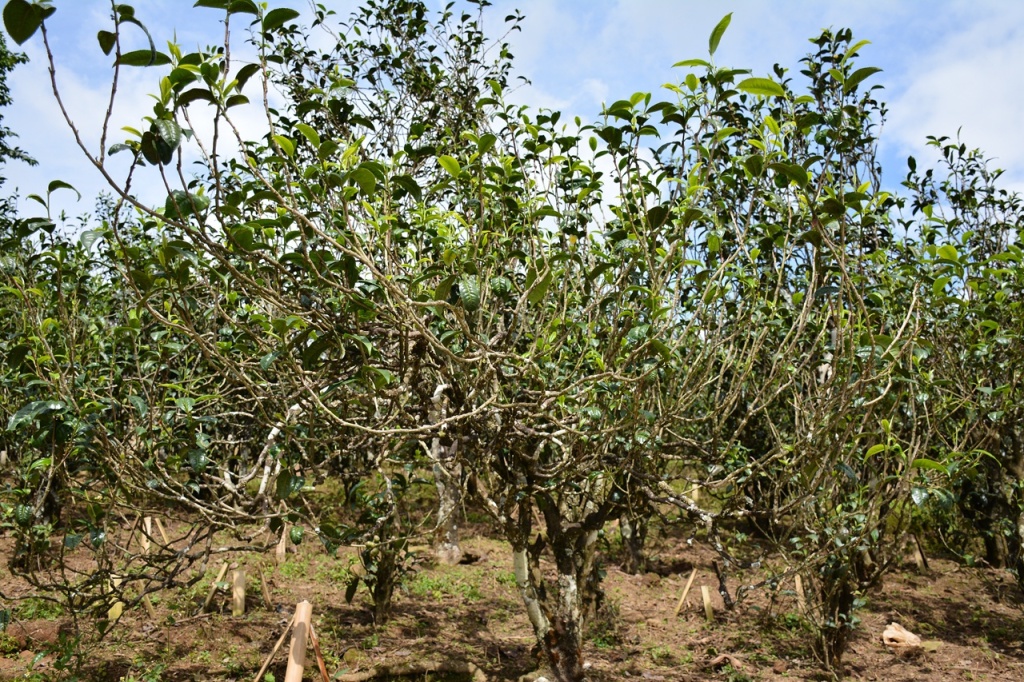

The unique skill and patience with which the people of Bano grow these trees is highly commendable and gives a clear idea of what they looked like a hundred years ago. The young buds on these trees are round and smooth, with numerous pale green hairs, and when dried they turn white with a golden tint.
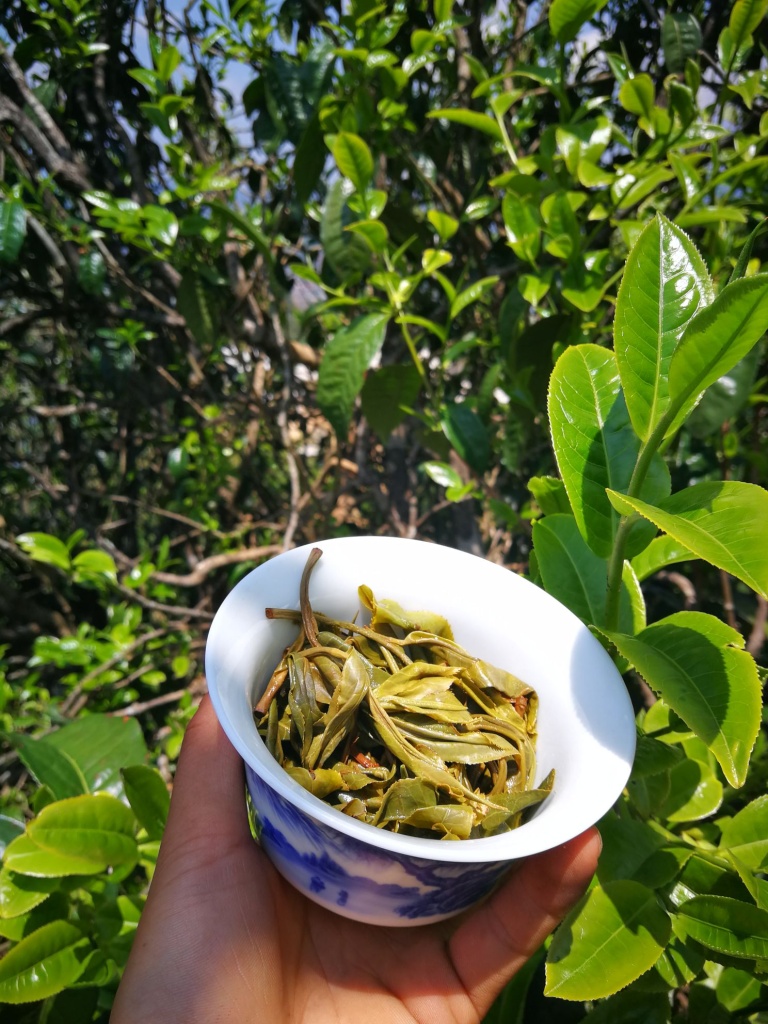
In recent years, Tengtiao tea has been in high demand. Many tea merchants flock to Bano specifically for it. There are several tea factories and tea companies in the Mengku area. Mengku Rongshi Tea Company (Chinese: 双江勐库戎氏茶业公司, pinyin: Shuāng jiāng měng kù róng shì chá yè gōngsī) and Guangdong companies are eager to buy up raw materials from Bano, the quantity of which is small and creates a deficit that is unable to satisfy the growing demand. Although this method of cultivating tea gives good results in terms of quality, the production volumes are quite small, the supply meets demand by no more than half. It is difficult to find even one “jin” of surplus of this tea.
The technology of braiding trees with branches was discovered by the Hans, and no other people living nearby have such a method. There are many Hans living on the eastern slope of Mengku, cultivating almost all the trees from the old plantations using the tentiao method. Large areas of such trees can also be seen among the Hans living on the western slope (Bangai, Binshan, and also in Shahe).
In Bano there were more than 2,000 Tengtiao trees before 1949, now there are about 1,500 left, which is still more than anywhere else in Shuangjiang County.
During the Republic period (the Republic of China from 1912 to 1949), the use of unique natural conditions and Tengtiao technology turned Bano into the richest village in Shuangjiang County. The wealthiest and most influential families lived here. The fame of Bano village reached Lincang and even other countries in Southeast Asia, where local traders sent tea, which undoubtedly strengthened their position in the world of puer. This place attracts many people, because ancient trees and roads keep the memory of the ancient tea route. Before the construction of the road across the Nasaihe River, people crossed the stone bridge and, despite the fact that the bridge is destroyed, these places keep the memory of the horse route and the method of transporting tea.
Since Bano is at a high altitude, the atmospheric pressure is low and the air is thin, the tea tree grows upward. The aromatic content of its leaves increases, making the aroma of the tea intoxicating and long-lasting. The trees receive a lot of sunlight, which greatly increases the amount of nutrients in the leaves, and the low night temperatures help preserve them, so the leaves are rich in nutrients.
The main feature of Bano tea is its Yang character, high aroma, stable taste, thick sweetness and long melody. It is a must try!