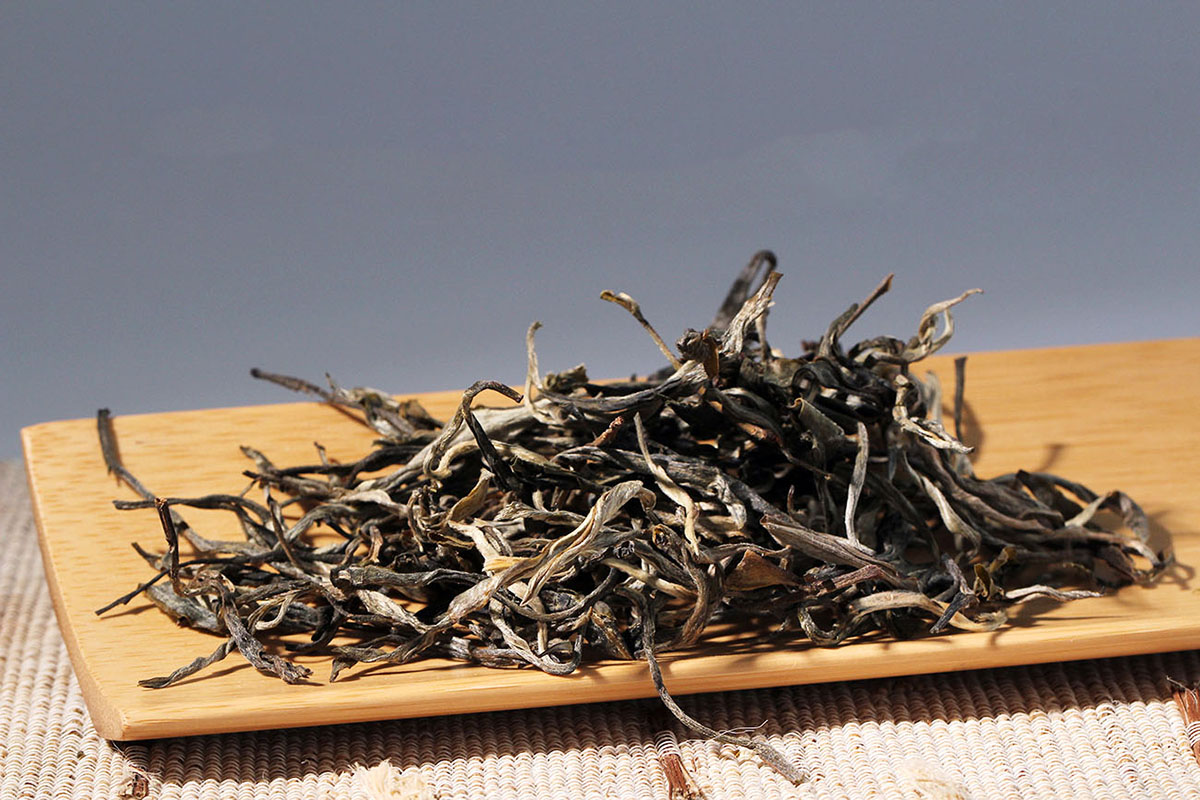



Bingshan Tea Village (Mengku)
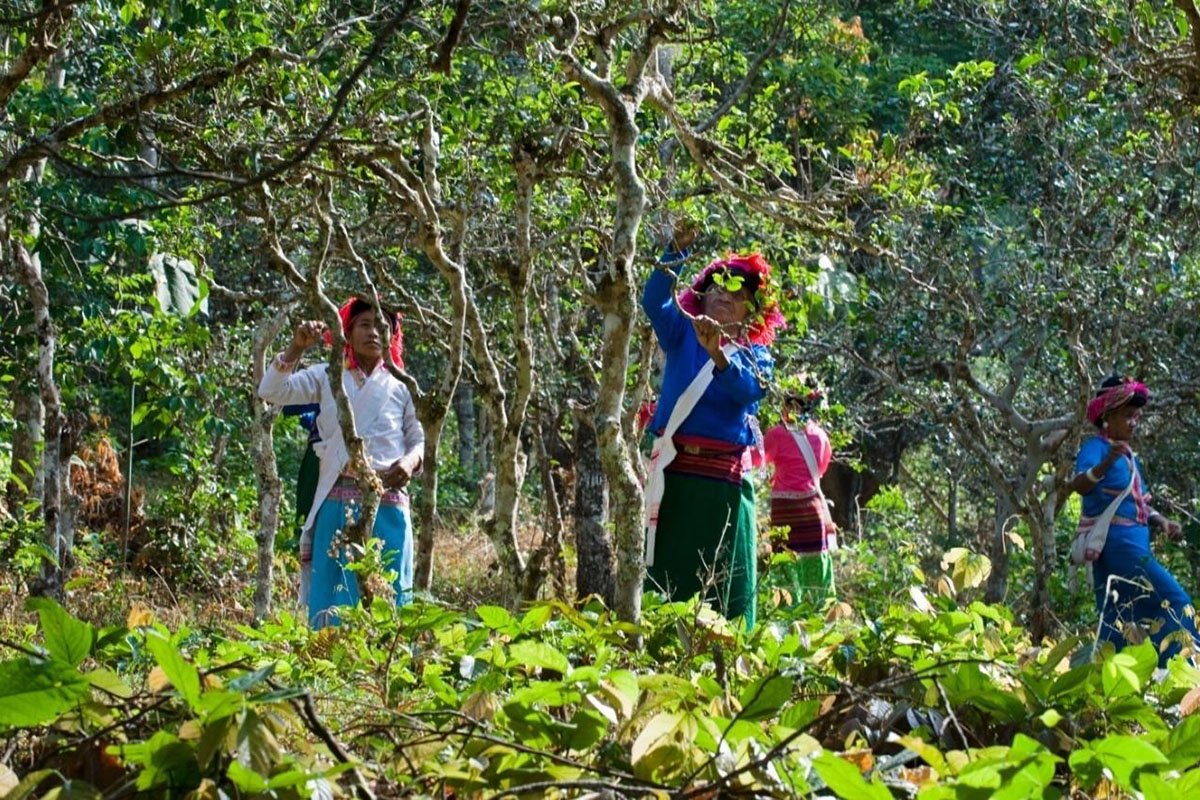
The highest point of Mount Bingshan (Chinese: 丙山, pinyin: bǐngshān) is located at an altitude of 2700 m above sea level, the lowest at an altitude of 870 m, the average altitude is 1500 m, the average temperature is 20 degrees Celsius. Mainly inhabited by the Bulan and Wa people. Tea plantations are more than 4000 mu. At an altitude of more than 1500 meters, there are a large number of ancient trees, which occupy an area of about 2000 mu, but unfortunately they have been cut off.
The ancient trees are over 200 years old. The soil of Bingshan is rich and fertile, containing many natural plant products. The ancient trees are scattered across the fields between the mountains. The tea plantations face the south and are well-lit by the sun, the buds have distinct hairs. Farmers can distinguish raw materials from these places at first glance.
There are 4 main parts located on the eastern slope, on the western, Bingshan and Fusai Shan (Chinese: 富赛山, pinyin: Fù sài shān)
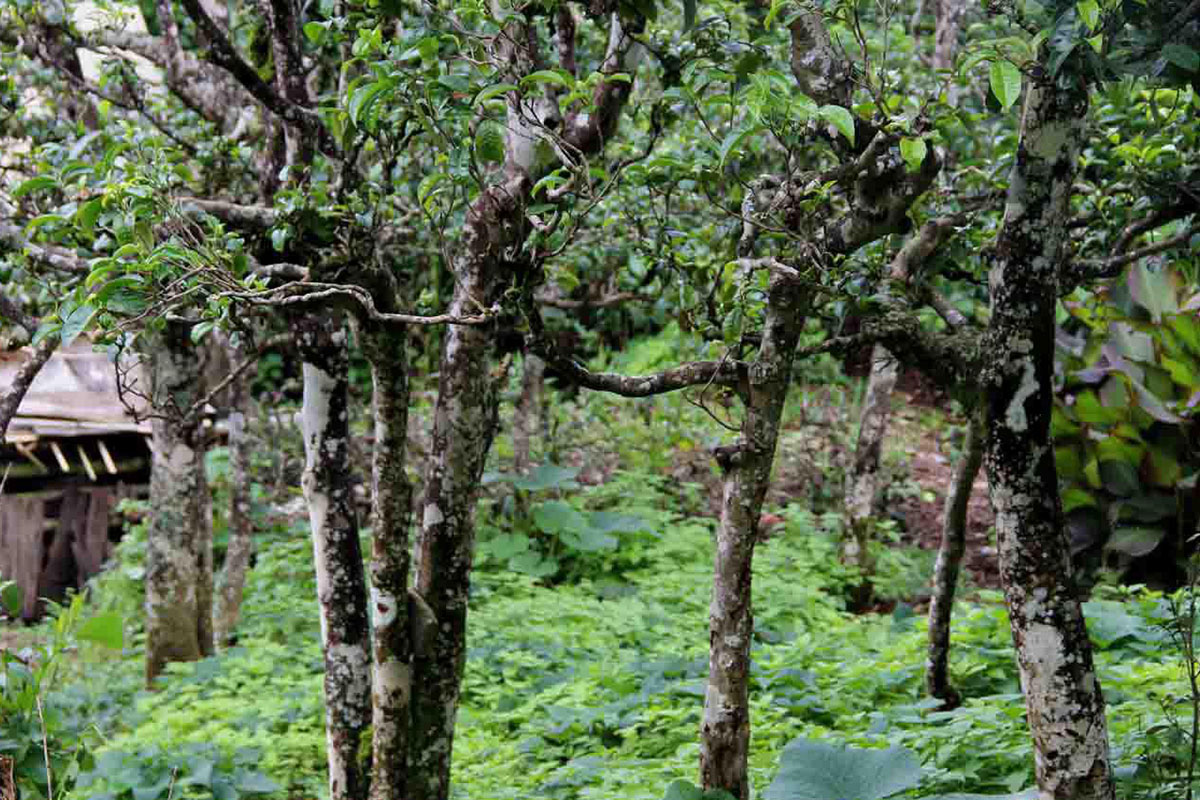
Features of Pu'er tea from Bingshan Mountain: thick honey aroma, balanced viscosity, sufficient aroma is felt when drinking, moderate bitterness quickly turning into sweetness. Soft infusion of transparent yellow color, tea bottom is tender. Special growing conditions affect the quality of the leaf, here it is especially large, usually elongated, dark green, the leaf is soft and thick, the buds are thick, light green, many villi.
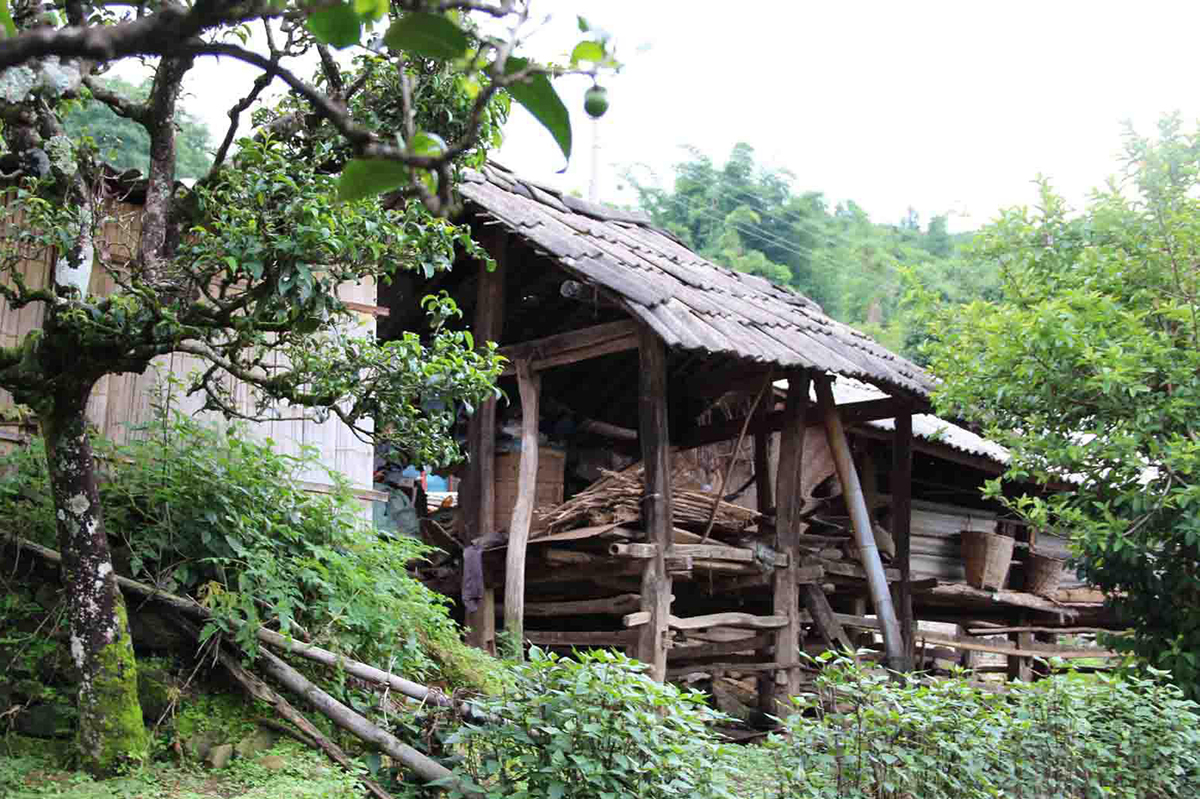
The villages of Bingshan are divided into the upper (Chinese: 上寨) and lower (Chinese: 下寨). The upper village is inhabited by the Han people - about 50 households, the lower village is inhabited by the Wa people - 70 households. These are large tea villages surrounded on four sides by puer plantations within a radius of 5 km, where there are both old and new plantings. In the 50s, the area of plantings was very large, but after that they stopped making new plantings.