


Bangai Tea Village (Mengku)
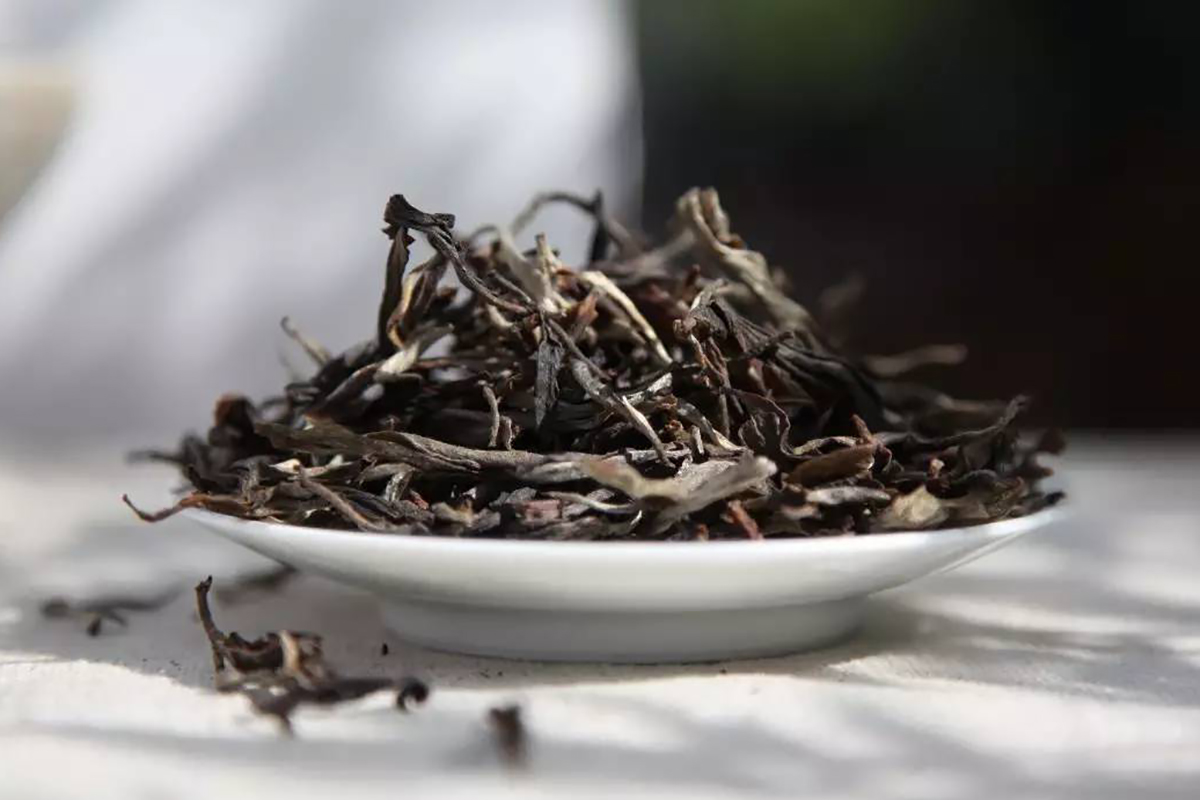
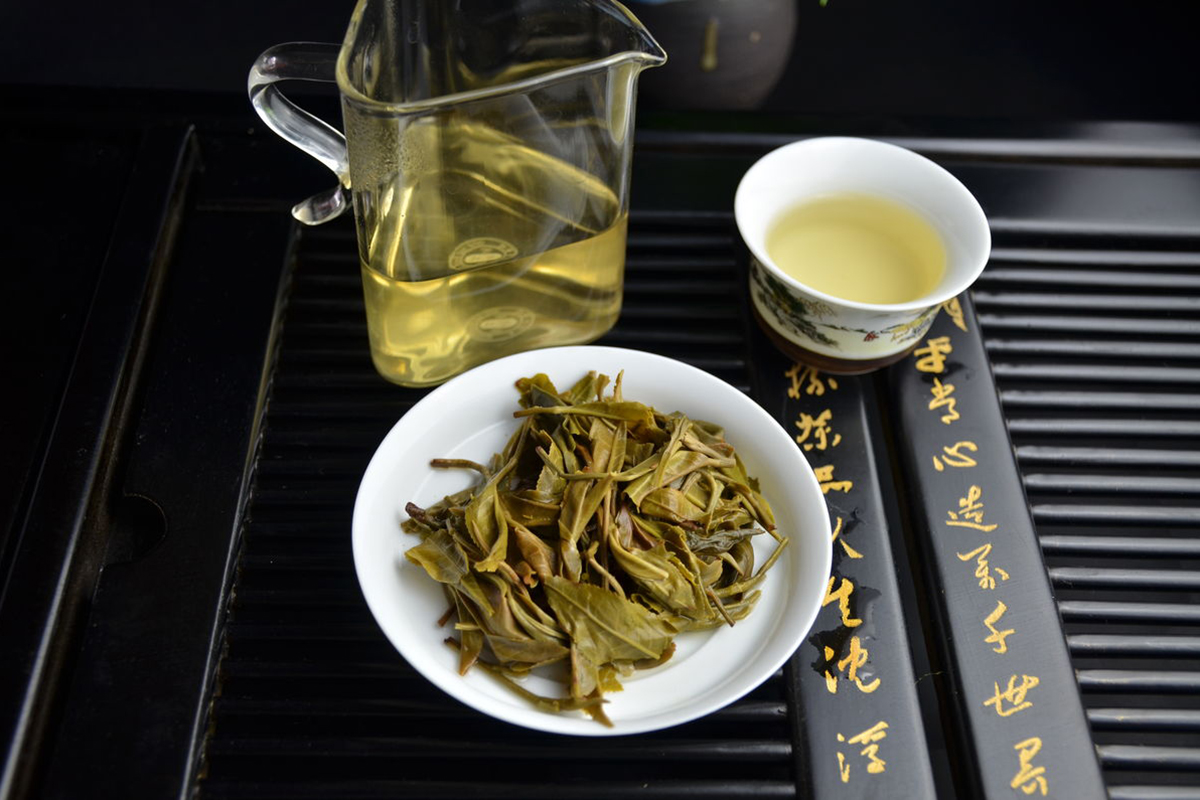
The characteristic features of Banggai puer are thick leaves and buds, clear yellow tea infusion, slight sweetness in the mouth and a long aftertaste. Tea connoisseurs from these places say: "Enjoying tea from ancient Banggai trees is like hearing the sound of a mountain stream, the heart is filled with harmony and silence."
Banggai Village (Chinese: 帮改, pinyin: bānggǎi) is located on the southwestern slope of Mengku , 22 km from the administrative center. They are connected by a dirt road, the transport infrastructure is poor. To the east is the Hudong Village Committee, to the south is Shahe Township (Chinese: 沙河乡, pinyin: Shāhé xiāng), to the west is Gengma County (Chinese: 耿马县, pinyin: Gěngmǎ xiàn), to the north is the Binshan Village Committee.
Banggai itself consists of Dazhai (Chinese: 大寨, pinyin: Dàzhài), Waizhai (Chinese: 外寨, pinyin: Wàizhài), Yaojia (Chinese: 姚家, pinyin: Yáojiā) and seven small villages. They include one village of the Lahu people, four villages of the Han people. All the villages are engaged in tea. Upon entering Banggai, you immediately see the large village of Lahu, which the locals call the old village of Banggai (Chinese: 邦改老寨, pinyin: Bānggǎi lǎo zhài). It consists of 99 households and is second in size only to Xiaohusa (the Lahu villages on the western slope). This village can be used to see how the local people chose their place of residence. Almost all Lahu villages have common features: most of the village is in the middle of the mountain slope, behind the forest, nearby a mountain stream, it is very convenient to hunt, chop wood and collect water. The Han village of Yaojia is closest to the old Bangai village. On the way to it, the oldest Bangai trees have been preserved, about 10 pieces, 4-5 meters high and more than 80 centimeters in circumference, they say they were planted by Lahu. In 1960, more than 100 mu of old trees were cut down here, which can still be seen from the stumps.
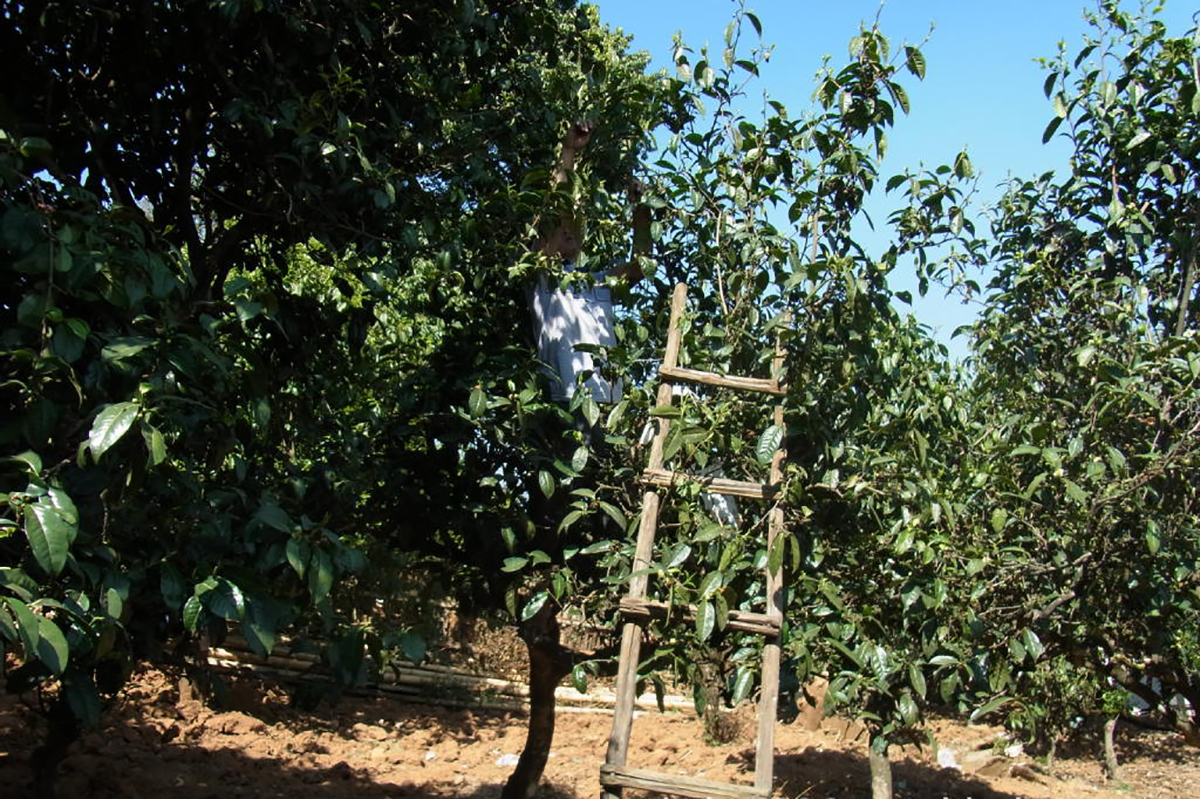
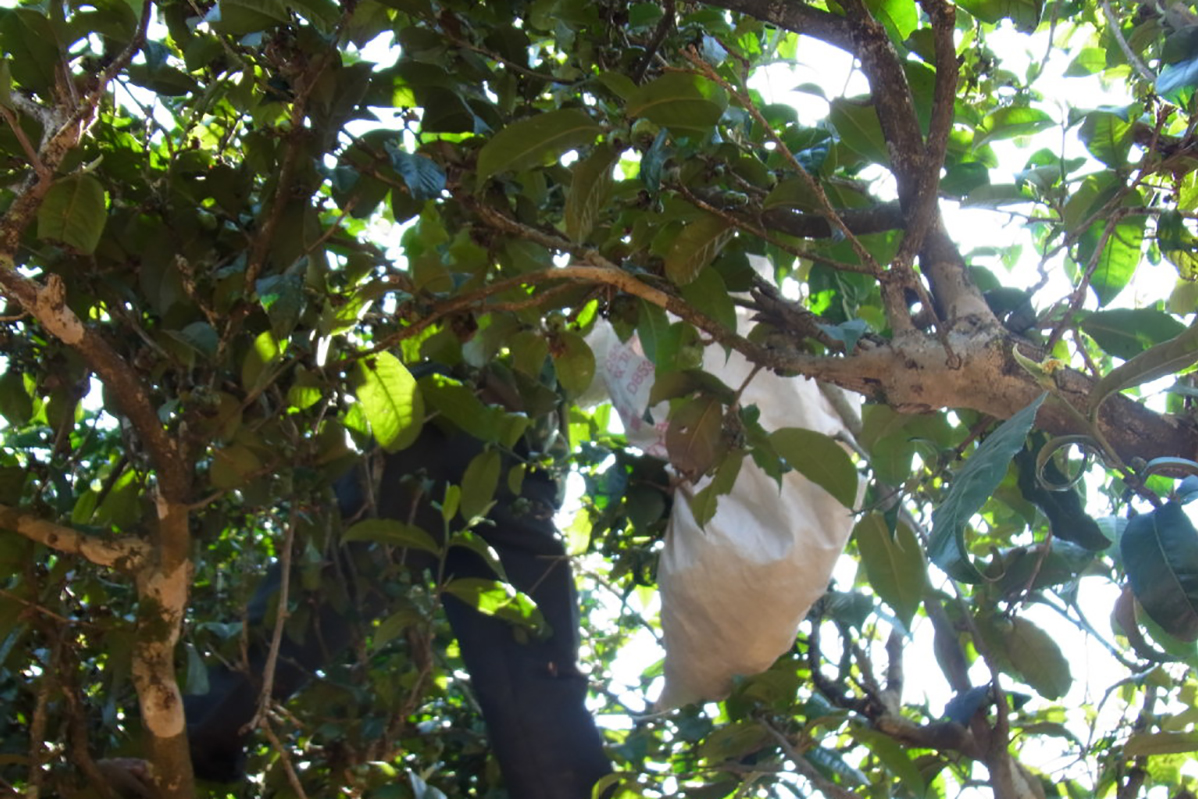
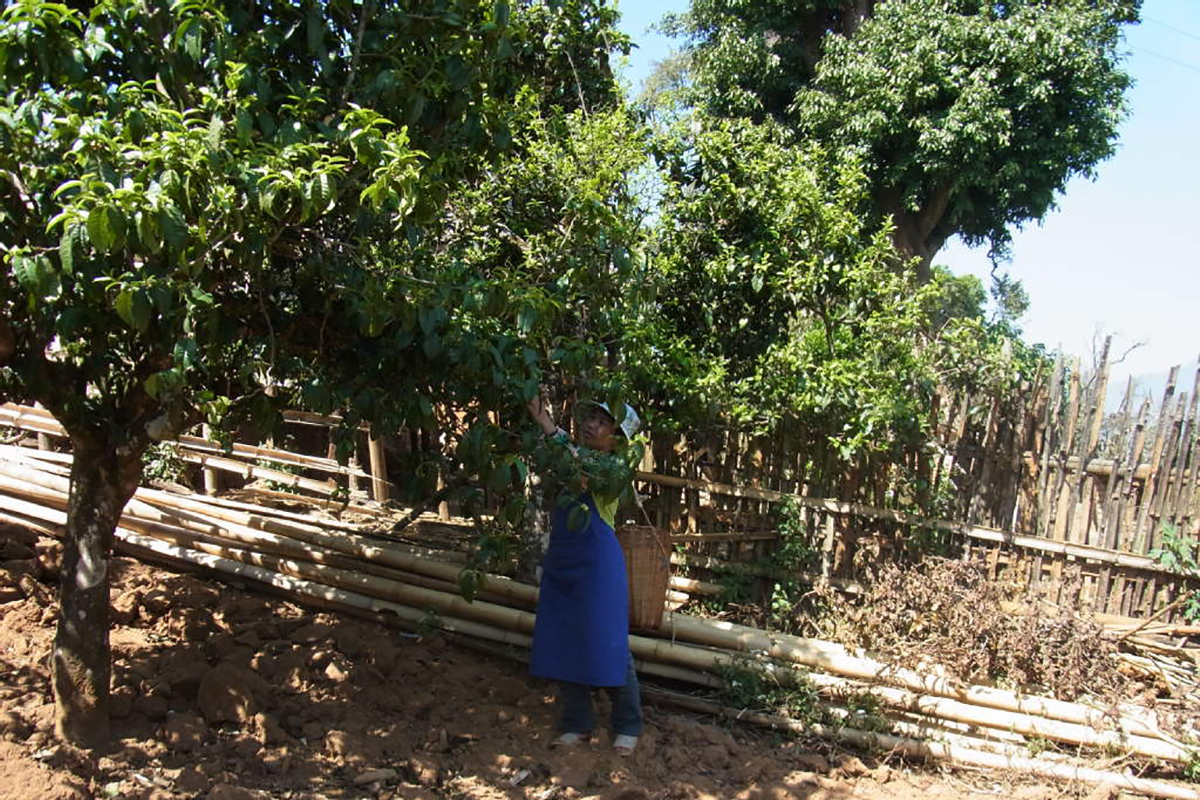
The other three Han villages are called Yizhai (以寨, pinyin: Yǐ zhài), Waizhai (外寨, pinyin: Wài zhài) and Xiazhai (下寨, pinyin: Xià zhài). From 1900 to 1980, the tea plantations here were the main source of raw materials. Until 1983, only seeds from Mengku trees were planted here. People call these trees the classic large-leaf Mengku variety.
For all the villages in Banggai, the main production is tea. Pu'er tea provides them with food and clothing. The tea industry is the most important for them, but due to the changing market, they can only dream of a quiet life, and they are forced to study continuously. Local farmers attend county and city advanced training courses. In 1954, a trading platform was built in Banggai to attract enterprises. At that time, the pu'er harvest was 98,364 jin, these figures indicate that the area of pu'er plantations in Banggai is one of the largest. In 1957, courses were organized here, farmers from all areas of Lincang County came here to learn new technologies. Locals were among the first to use modern production methods. Several decades of study and accumulated experience made local farmers experts and improved the quality of pu'er from this area. Most of the raw materials are purchased by the Shuangjiang Mengku Company (Chinese: 双江勐库茶叶公司; pinyin: Shuāngjiāng měngkù cháyè gōngsī).
The characteristic features of Banggai puer are thick leaves and buds, clear yellow tea infusion, slight sweetness in the mouth and a long aftertaste. Tea connoisseurs from these places say: "Enjoying tea from ancient Banggai trees is like hearing the sound of a mountain stream, the heart is filled with harmony and silence."